
Beyond the Surface: What it Truly Means
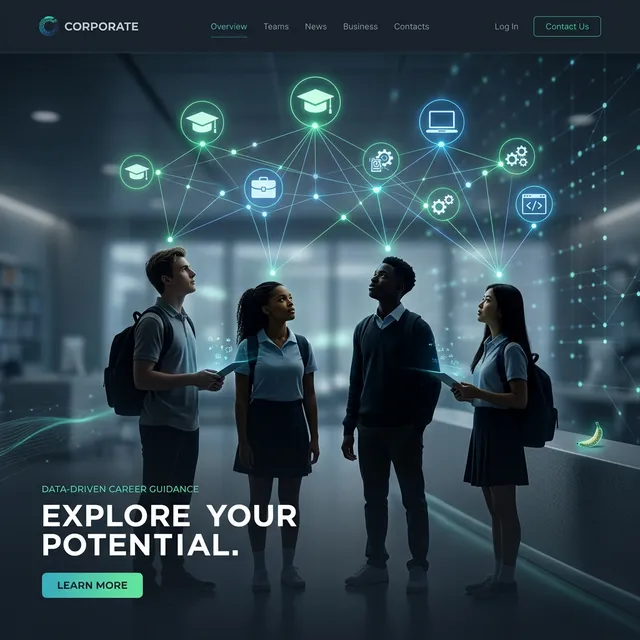
In the past, career guidance often consisted of a brief conversation with a school counselor and a pamphlet about university degrees. Today, the landscape is far more complex. Modern career guidance for learners in South Africa uses scientifically validated psychometric and cognitive assessments to reduce the risk of university dropout and career misalignment.
It means taking the guesswork out of monumental decisions, such as Grade 10 subject choices, and replacing that anxiety with clear, actionable data.
Why Every South African Learner Needs It
The transition from the National Senior Certificate (NSC) to the workforce or tertiary education is fraught with challenges. Many learners choose subjects based on peer pressure or assumed prestige, rather than their actual aptitude.
- Preventing Costly Mistakes: Switching degrees halfway through university is a massive financial burden. Proper career guidance mitigates this risk by ensuring you meet specific entry requirements for your chosen field.
- UNISA & Tertiary Alignment: With thousands of learners applying for UNISA courses every year, many fail to realise they don't meet the APS requirements or that the course doesn't align with their natural aptitude. Guided selection is the only way to ensure registration success.
- Identifying Alternatives: Not everyone is suited for the academic pathway. A strong professional career assessment highlights viable alternatives like TVET colleges and NQF Level occupational trades.
The SkillsPassport Approach
We believe that career guidance in South Africa should not be a luxury. It should be an integrated part of a learner's educational journey. By measuring verbal reasoning, numerical ability, and spatial awareness, we generate a highly accurate profile that points directly toward careers where the learner has the highest probability of thriving.
Get Your Professional Career AssessmentFrequently Asked Questions
Why is structured career guidance important?
Career guidance is critical because it aligns a learner's inherent cognitive abilities, personality, and interests with real-world economic opportunities, preventing costly academic mistakes and improving career satisfaction.
Who benefits from the SkillsPassport assessment?
Grade 9 learners choosing subjects, Grade 11/12 learners choosing tertiary studies or TVET options, and young adults seeking to transition into the workforce safely can all benefit.
How accurate is the SkillsPassport matching?
Our matching algorithm combines scientifically validated psychometric assessments with current higher education and TVET admission criteria to ensure completely aligned and actionable study routes.
Dr. Lanette Hattingh
HPCSA-registered Educational Psychologist | Founder, SkillsPassport
Expert in psychometric assessments, career guidance, and future-ready skills development. Dr. Hattingh designed the SkillsPassport assessment methodology used by 15,000+ learners across 100+ schools.
LinkedIn Profile